

 I’ve been off my writing game lately. Busy week/weekends, work, and life all distract. I even passed on last week’s Top Ten! For Shame!! So, briefly, I’ve compiled this week’s list from The Broke & The Bookish which is Ten Books recently added to my TBR List. I’d love to hear your suggestions!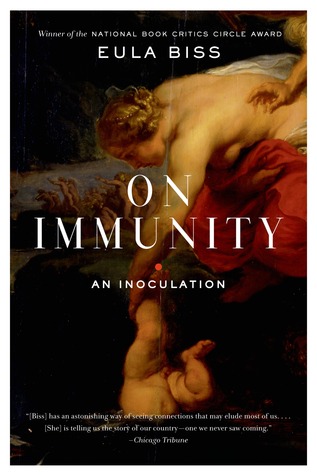
1. On Immunity: An Inoculation, by Eula Biss. I just picked this audiobook up on a whim, so it will be one of my next listens. She has good reviews for what appears to be a well rounded discussion/argument for vaccines.
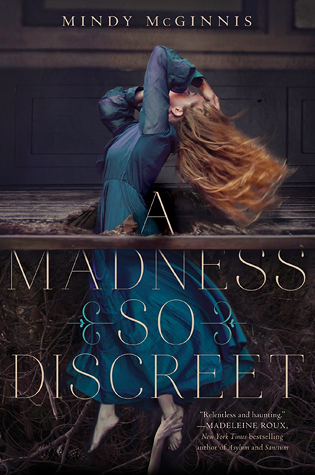 2. A Madness So Discreet, by Mindy McGinnis. Historical Fiction Thriller set in 1890 following a main character struggling with her own sanity. McGinnis’ book isn’t out until the fall, and I cannot wait! Plus, look at that lovely cover art!
3.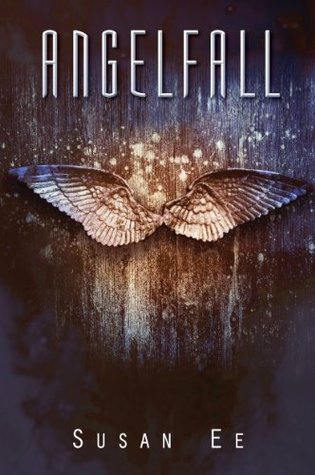 Angelfall (Penryn & the End of Days Book #1), by Susan Ee. Another blogger recommended this series to me and warned me not to be put off by the angels. Since I love post-apocalyptic fiction, I decided to listen to her suggestion!
 4. Partials (Partials Sequence #1), by Dan Wells. More Post-apocalyptic YA and another blogger recommended read. The blurb had me at “for fans of The Hunger Games, Battlestar Galactica, and Blade Runner.” It piqued my interest further with the concept of war between humans and genetically engineered beings.
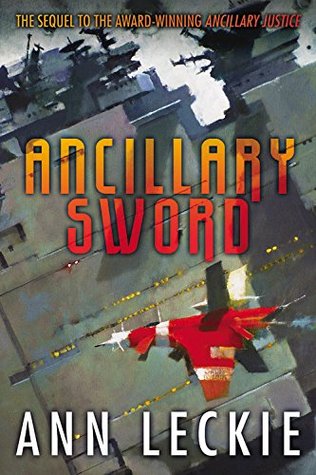 5. Ancillary Sword (Imperial Radch #2), by Ann Leckie. I just finished the first one in this series, and I can safely place it somewhere in my all time favorite top ten books. Good sci-fi with themes of culture, identity, social norms, and gender. I’m looking forward to the second with the third due out sometime this year.
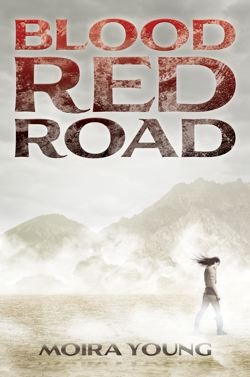 6. Blood Red Road (Dust Lands Trilogy #1), by Moira Young. More post-apocalyptic fiction with strong female characters. I’ve had two different people recommend this book to me recently, so it should probably be tackled sooner rather than later.
 7. Sex at Dawn: The Prehistoric Origins of Modern Sexuality, by Christopher Ryan & Cacilda Jetha. Yes, this one totally switches gears! I love studying gender, relationships, and how/why we are built the way we are. After a good discussion with one of my friends, she told me about this book which she too had just put on her To Be Read list.
 8. Shift (Silo #2), by Hugh Howey. I reviewed Wool about a month ago. This is the follow up, though it is more of a prequel. I already have the audiobook, so it’s just a matter of time before I listen to it.
 9. The Good House, by Tananarive Due. This was one of those “on a whim” purchases on Audible (it was on sale). It looks good though! Supernatural thriller…haunted house…good reviews…I’m in!
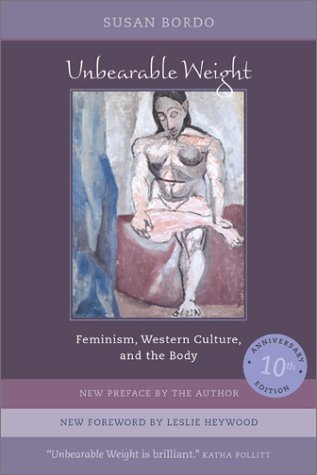 10. Unbearable Weight: Feminism, Western Culture, & the Body, by Susan Bordo. I’ve read selections from this book. Correction, I’ve TAUGHT a selection from this book. However, I am ashamed to say I’ve never read it! I forgot about this one until recently, and so, I’m making it my goal to read it before the year is out! Bordo always has a good way of analyzing culture and the body, both male and female.
 t should be no surprise to anyone that I’m writing about this book. It should surprise you that it has taken me this long into my life to actually read Atwood. What have I been doing with the last 30 years of my life?!
 10.
10.  Howey started this series as a novelette, self published on Amazon. It received such high praise that fans clamored for more, and the book was born. Wool is actually a collection of these first 5 short stories and is book #1 in the Silo Saga (you can rest assured I’ll be reading the other two soon enough!). The 5 stories tie together into one nearly seamless tale about living within the strict boundaries of a highly controlled society. When those rules are challenged, and the the lies that built them addressed, everything and everyone must either change or ultimately be destroyed.
 Merely Creative